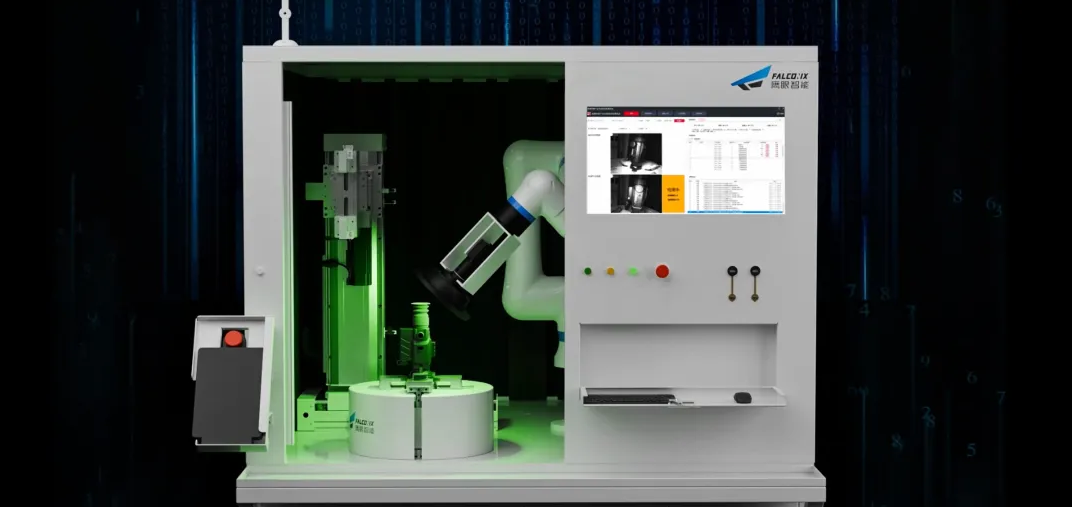
AI vision defect detection — escape rate cut from 0.6% to 0.04%
Replaced rule-based blob analysis with a deep-learning model for label crease, low-fill, and cap-tilt defects on PET bottles.
- Client
- Confidential — Beverage Co-Packer
- Location
- Georgia, USA
- Capabilities
- Machine Vision · Process Engineering
The challenge
Customer returns drove a 0.6% escape rate that translated to roughly $480k of credits per year. The legacy vision system caught obvious low-fills but missed label creases and subtle cap tilts that customers flagged.
What we built
We trained a Keyence VS-L deep-learning model on 12,000 customer-labeled images across the three defect classes, mounted a six-camera array around the line at 300 bpm, and integrated a single-station pusher reject. Cycle time held under 200 ms per bottle.
Key equipment
- Keyence VS-L Deep Learning
- Basler ace 2 cameras ×6
- Pneumatic reject pusher
- Cognex DataMan barcode validator
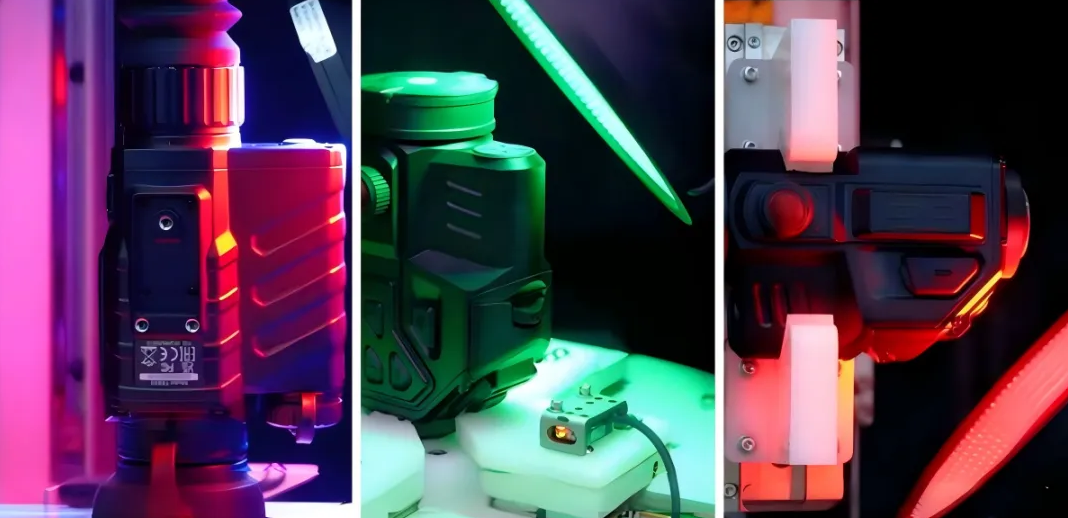
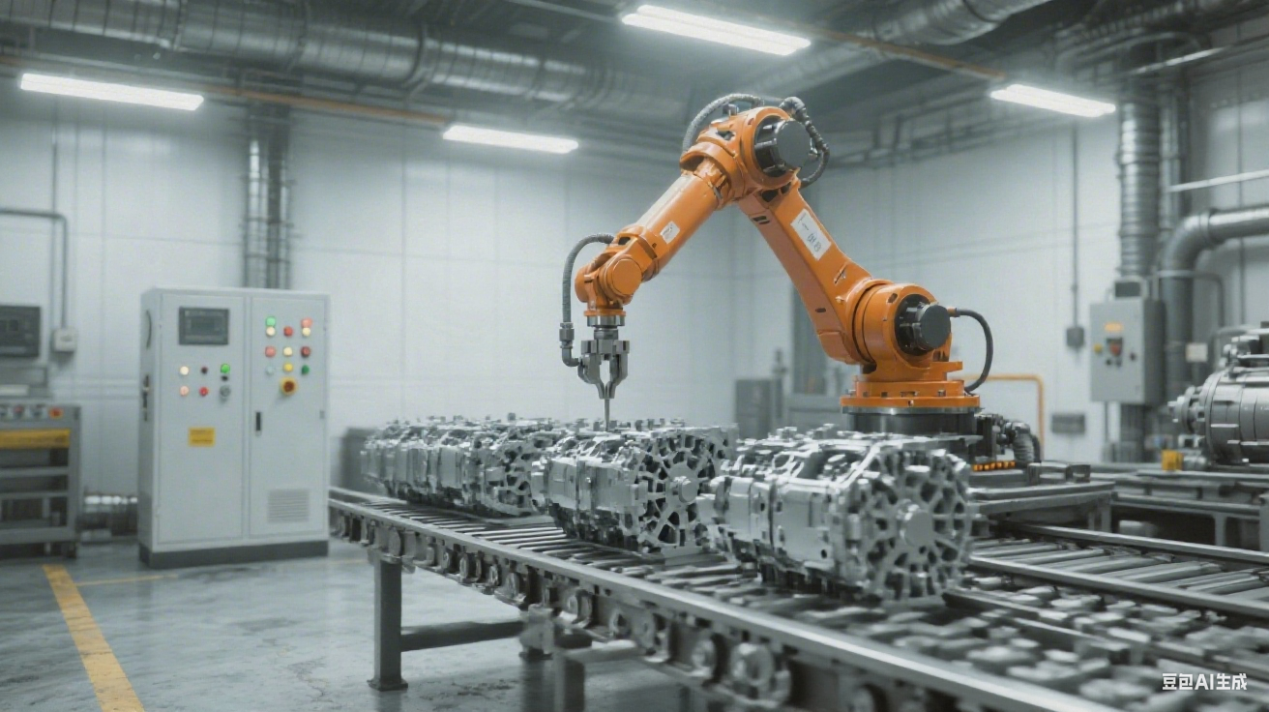
From the floor
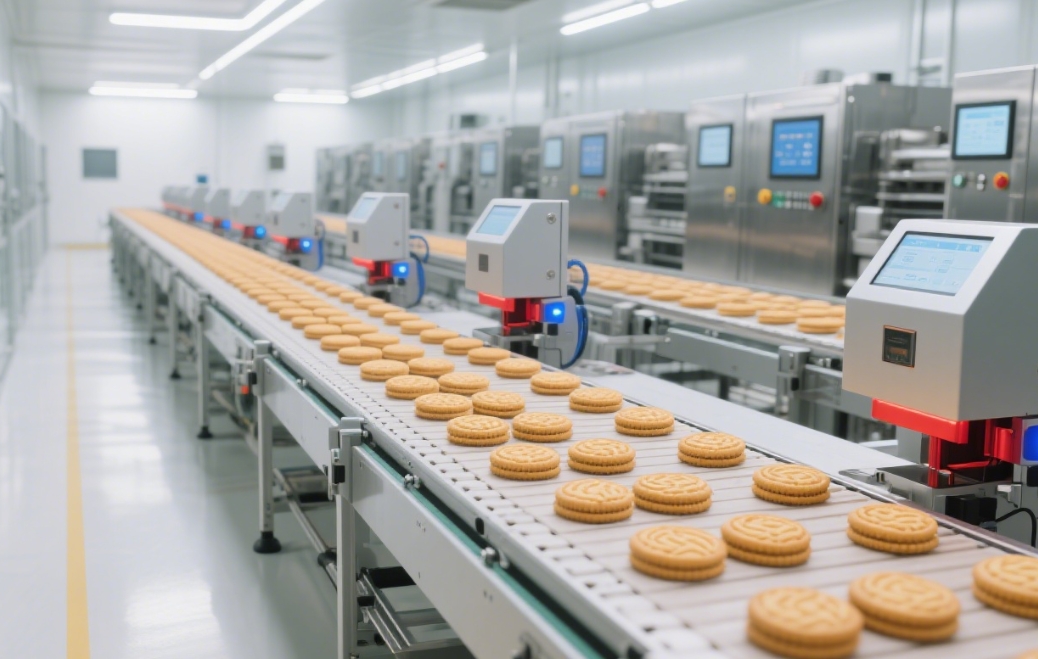
Illustrative image — representative of project scope; customer-identifying details have been removed.
Results
Escape rate is now 0.04% in the first six months, customer credits dropped accordingly, and the line gained 9 OEE points from reduced unplanned stops for false rejects.
See all 20 projects
 Food & Beverage•2025
Dairy bottling line retrofit — 18% throughput, 62% fewer rejects
Replaced a 1998-era controls stack with modern PLC + vision while keeping the existing filler and capper steel.
+18%Throughput-62%Reject rate11 wkProject lead time Food & Beverage•2025
Frozen ASRS — 9,200 pallet positions at −25 °C
Pallet shuttle ASRS in a –25 °C freezer with cold-rated drives, lubricants, and condensation control.
−25 °COperating temp9,200Pallet positions−40%Energy per pallet-day Food & Beverage•2025
Robotic palletizing cell — 2 shifts of manual stacking eliminated
Greenfield palletizing cell at end-of-line, sized for 60 cases per minute across 12 SKUs with quick-change tooling.
2Shifts of manual stacking replaced60 cpmCases per minute16 moProjected payback